
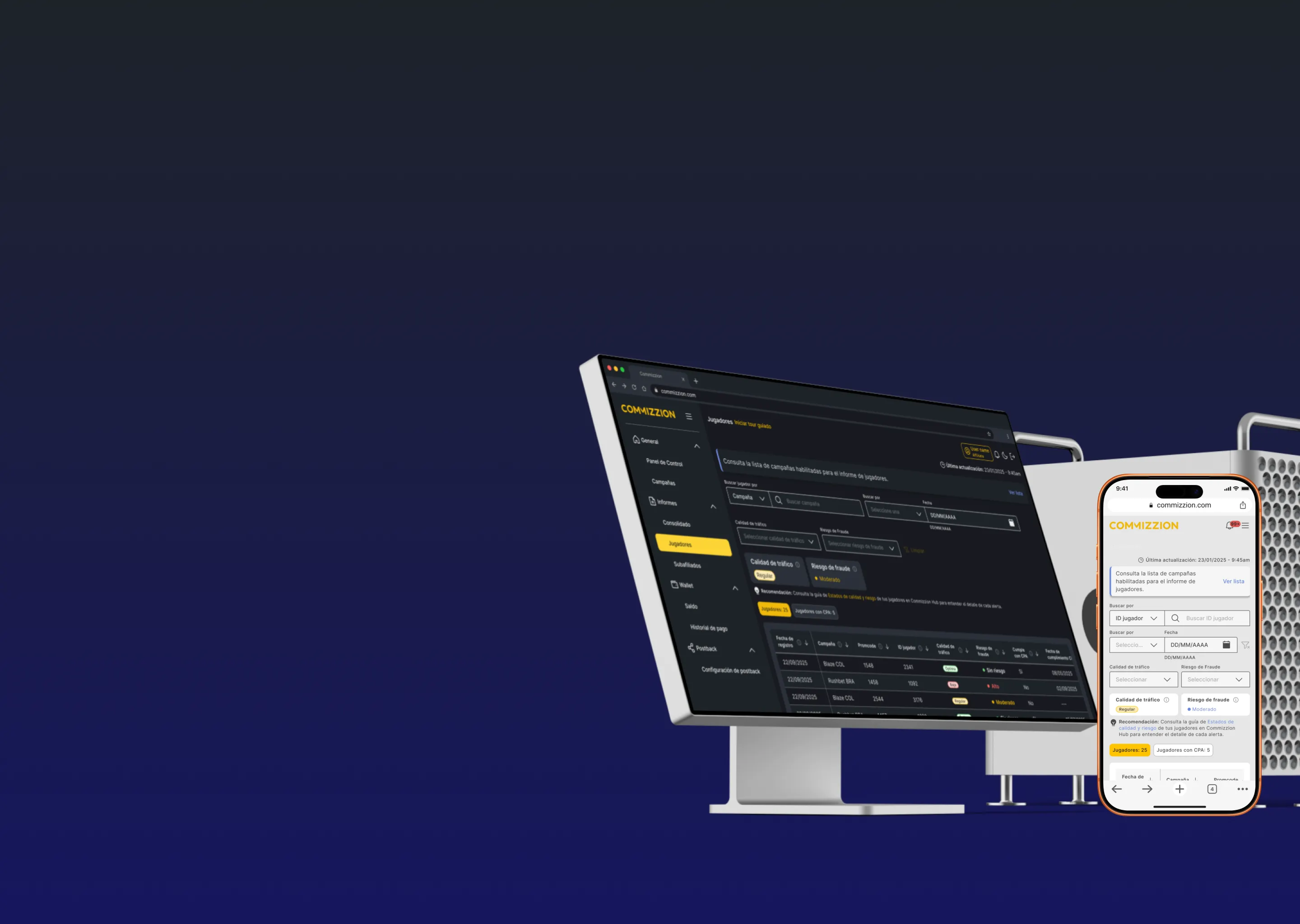
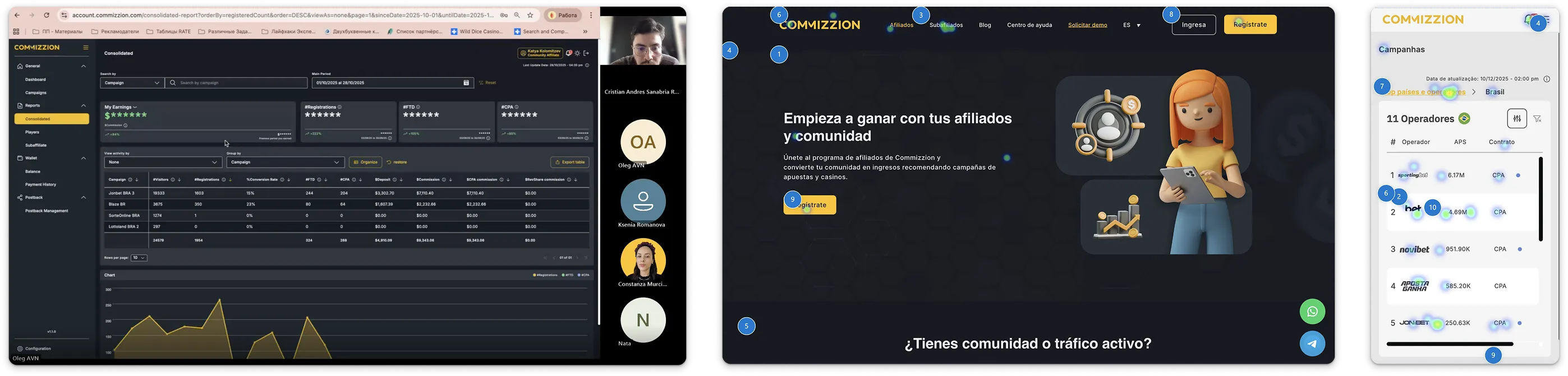
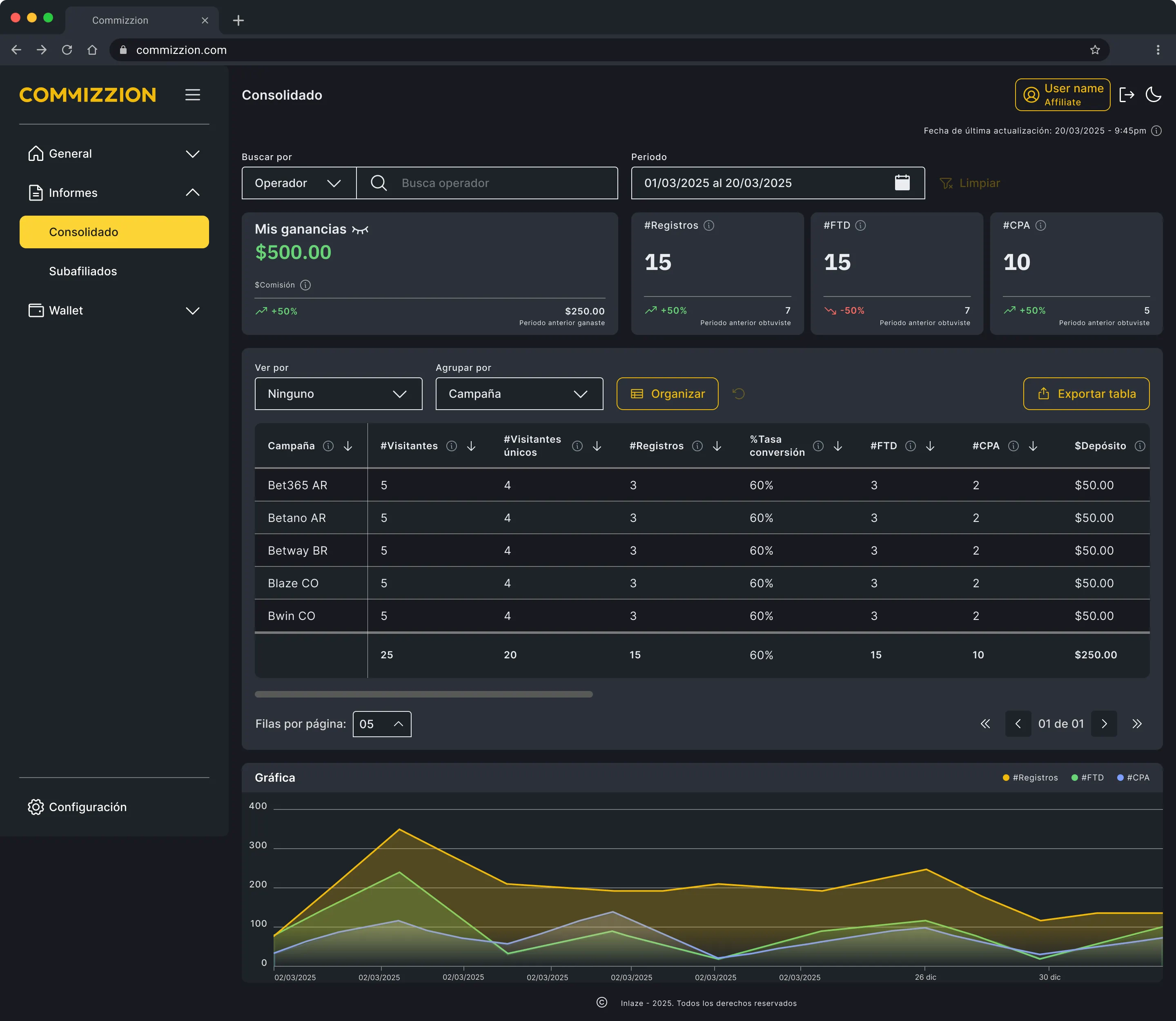
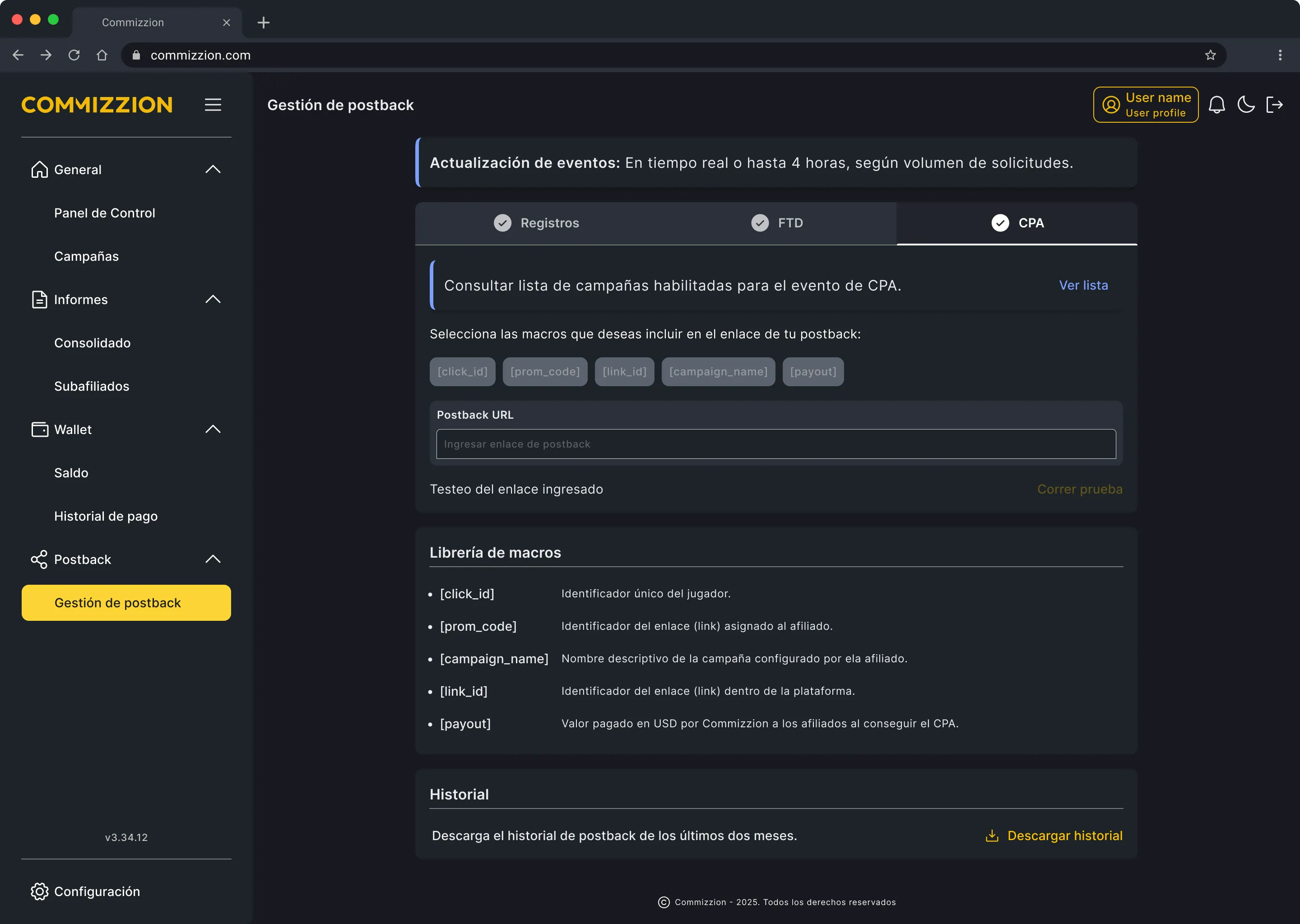
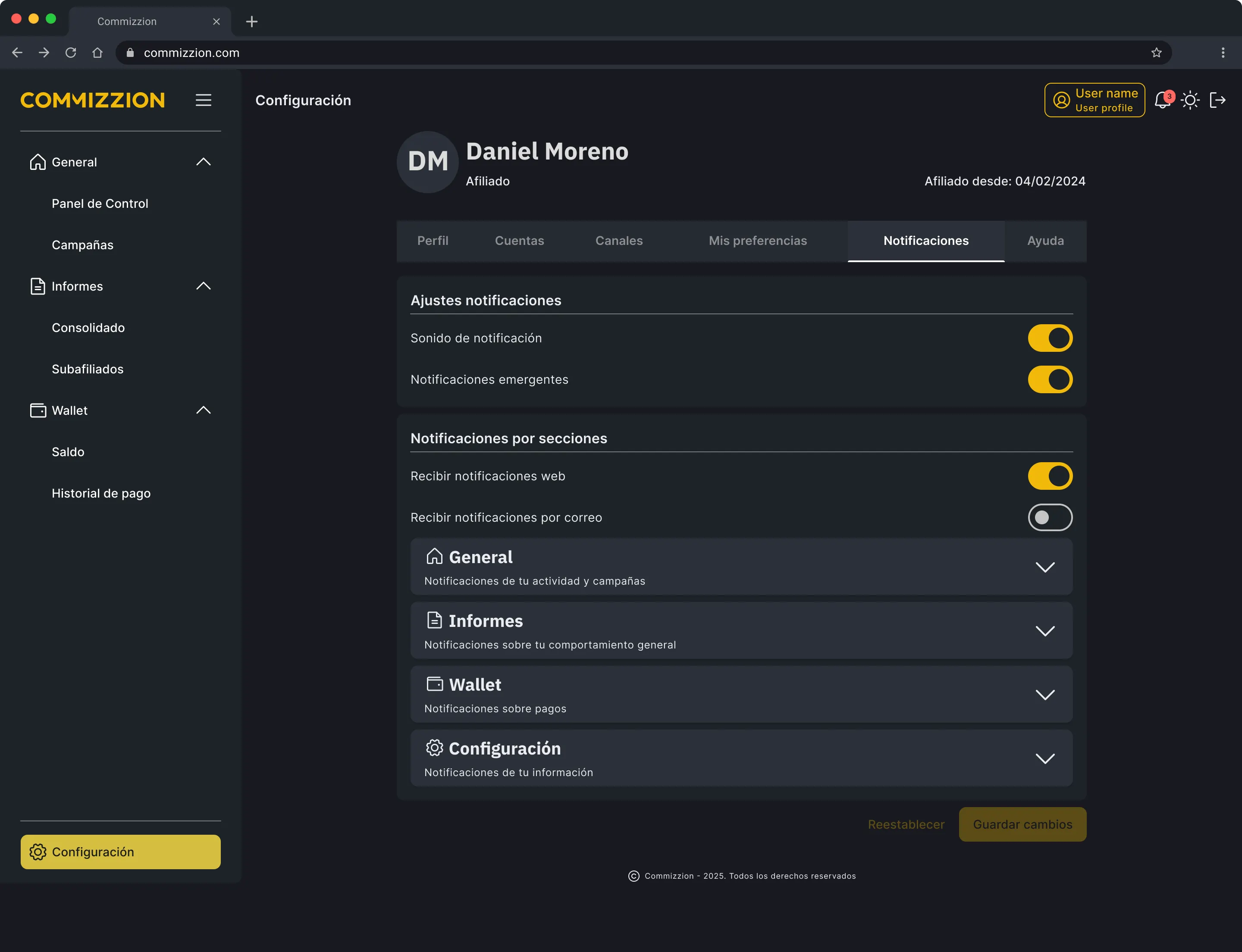
Commizzion Account had outgrown its original architecture. After years of consistent growth, the platform needed a structural evolution to stay competitive — built exclusively for desktop, with high information density and a flat visual hierarchy. The redesign re-architected the product from the ground up: a unified design system, a cross-device experience, and a research-driven iteration process — laying the foundation for Commizzion's next stage of growth.
Unified CM Design System
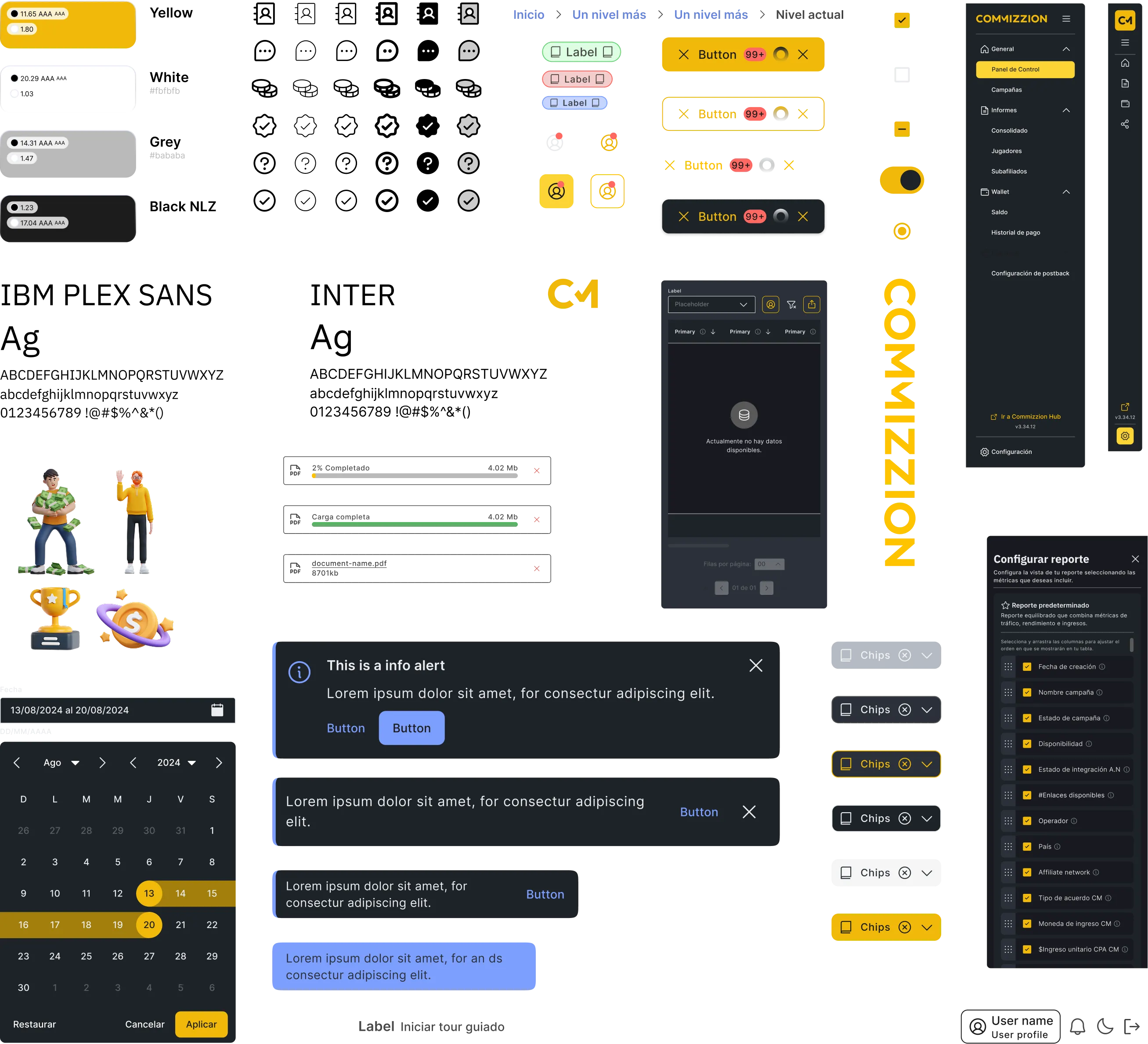
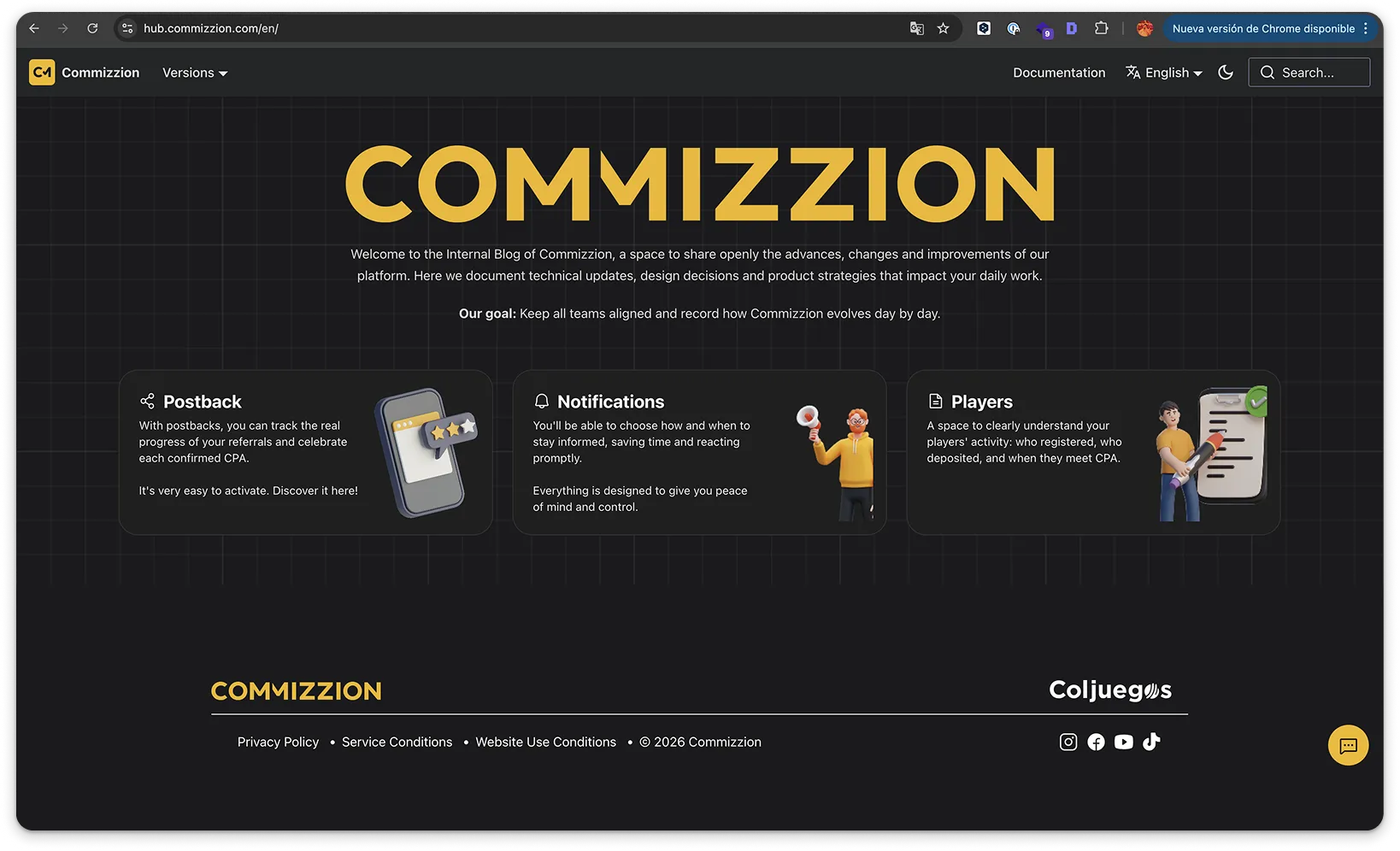
Before any screen was designed, the ecosystem needed one source of truth. The CM Design System unified tokens, typography, and components across Account, Hub, the marketing website, and Backoffice — eliminating interface fragmentation and accelerating development velocity across every product.
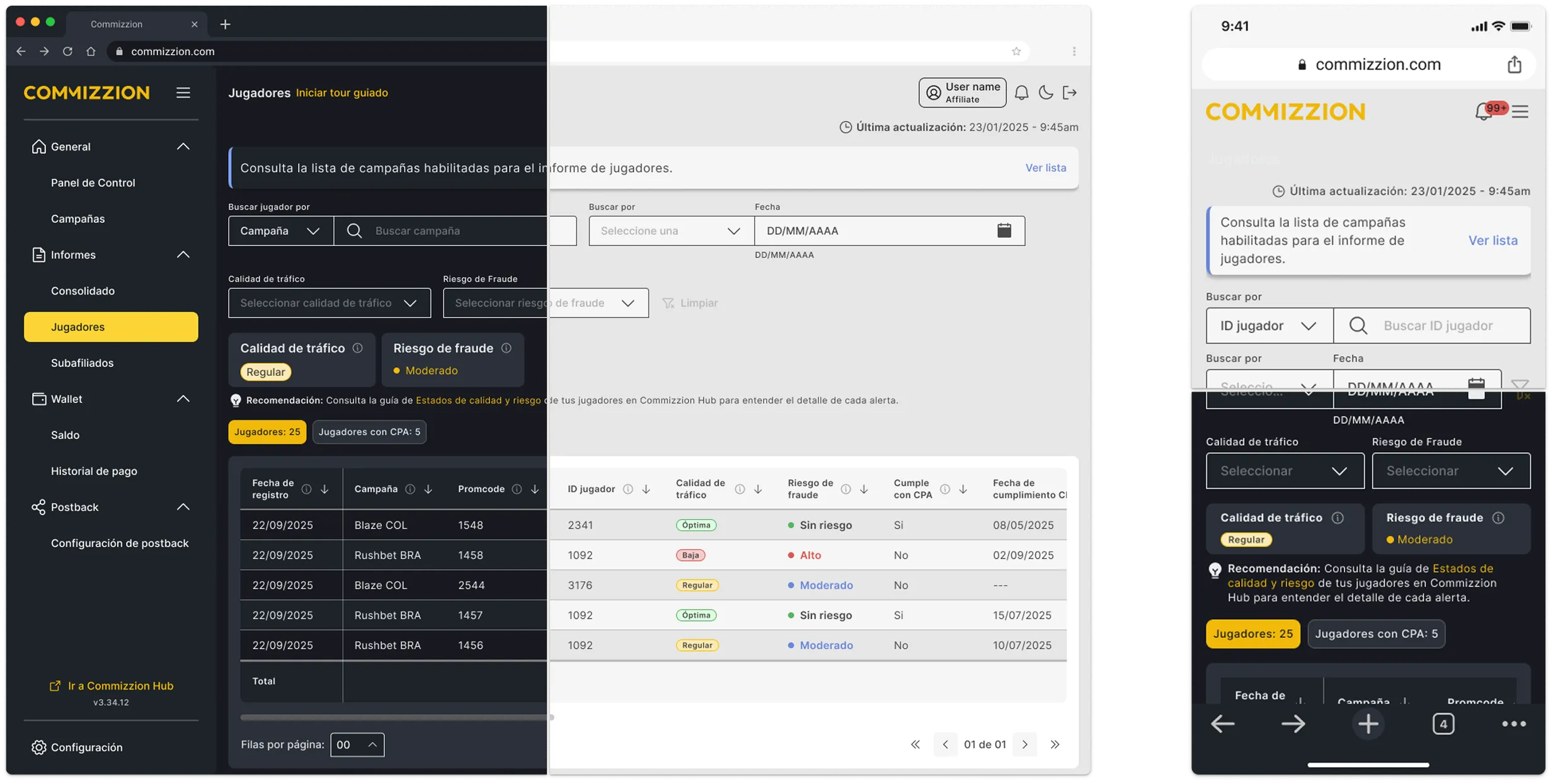
Mobile-first transition
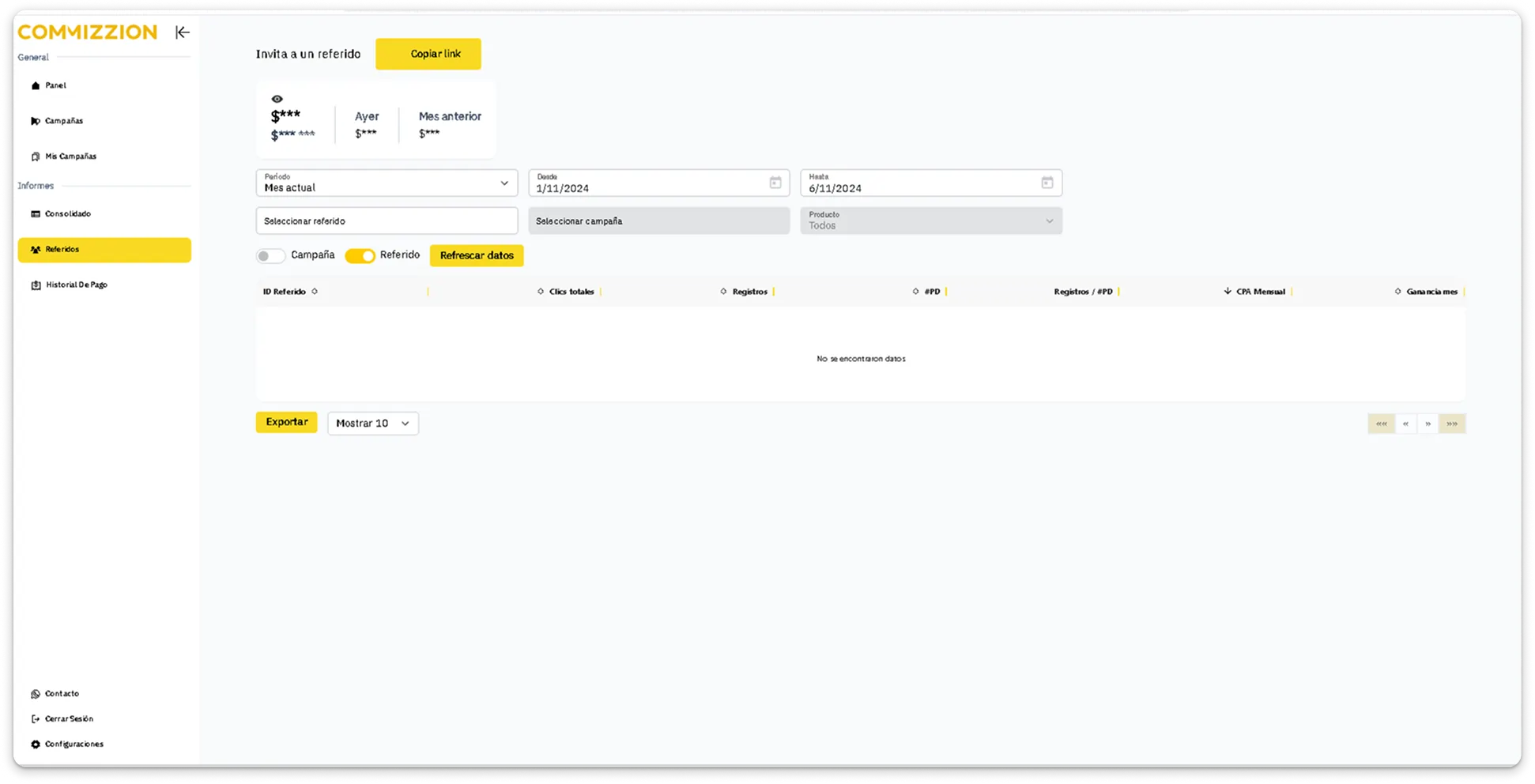
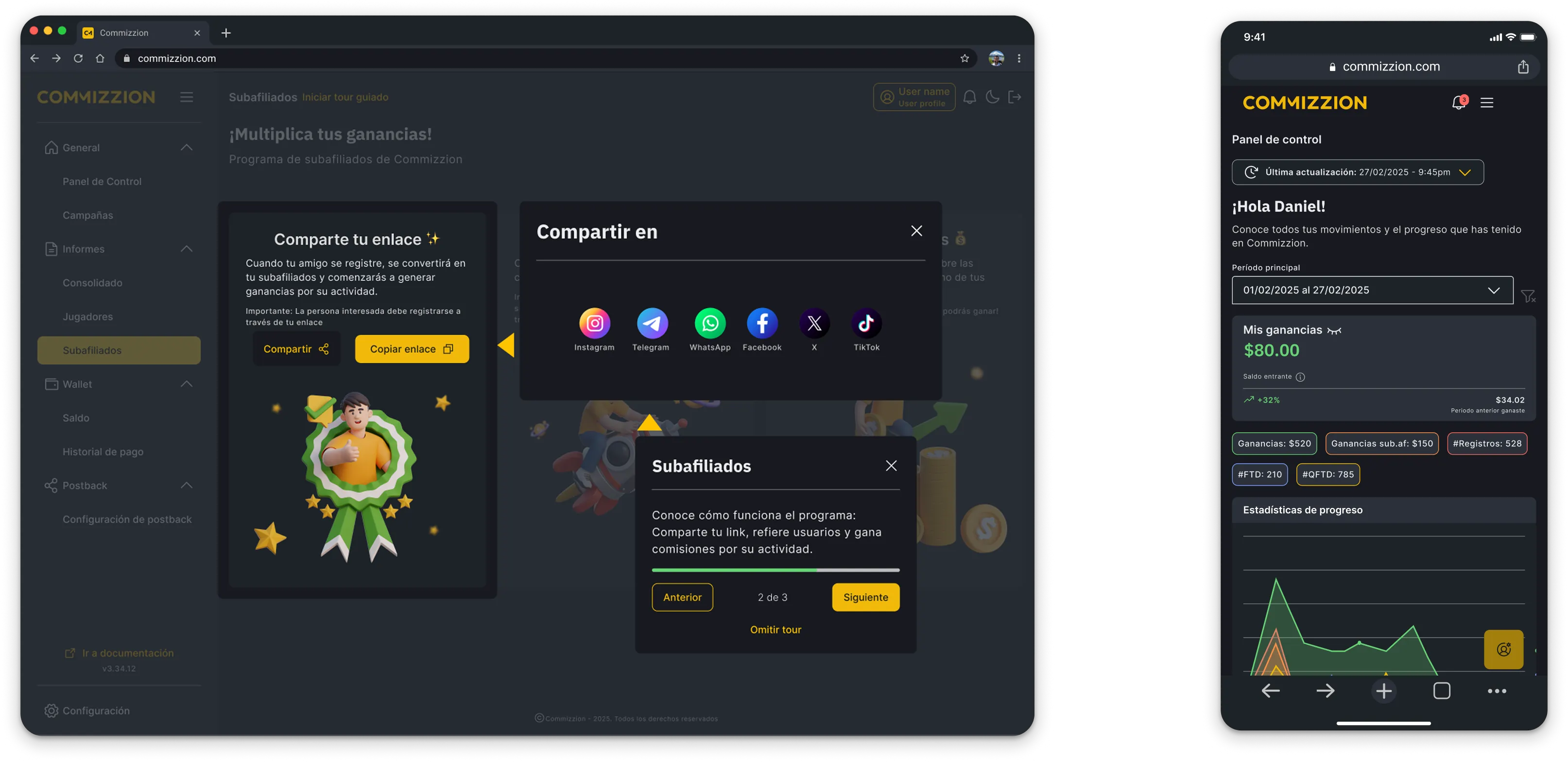
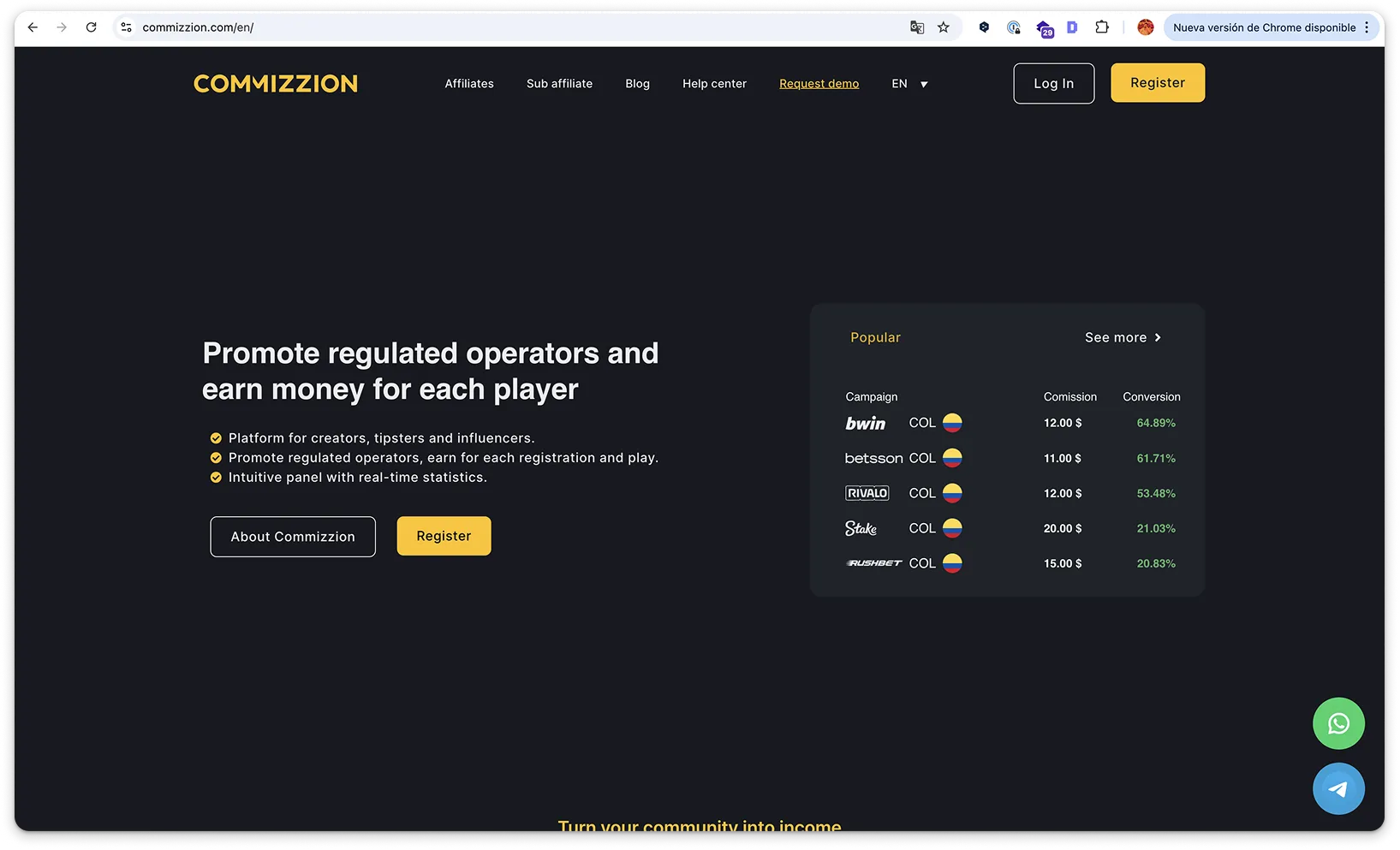
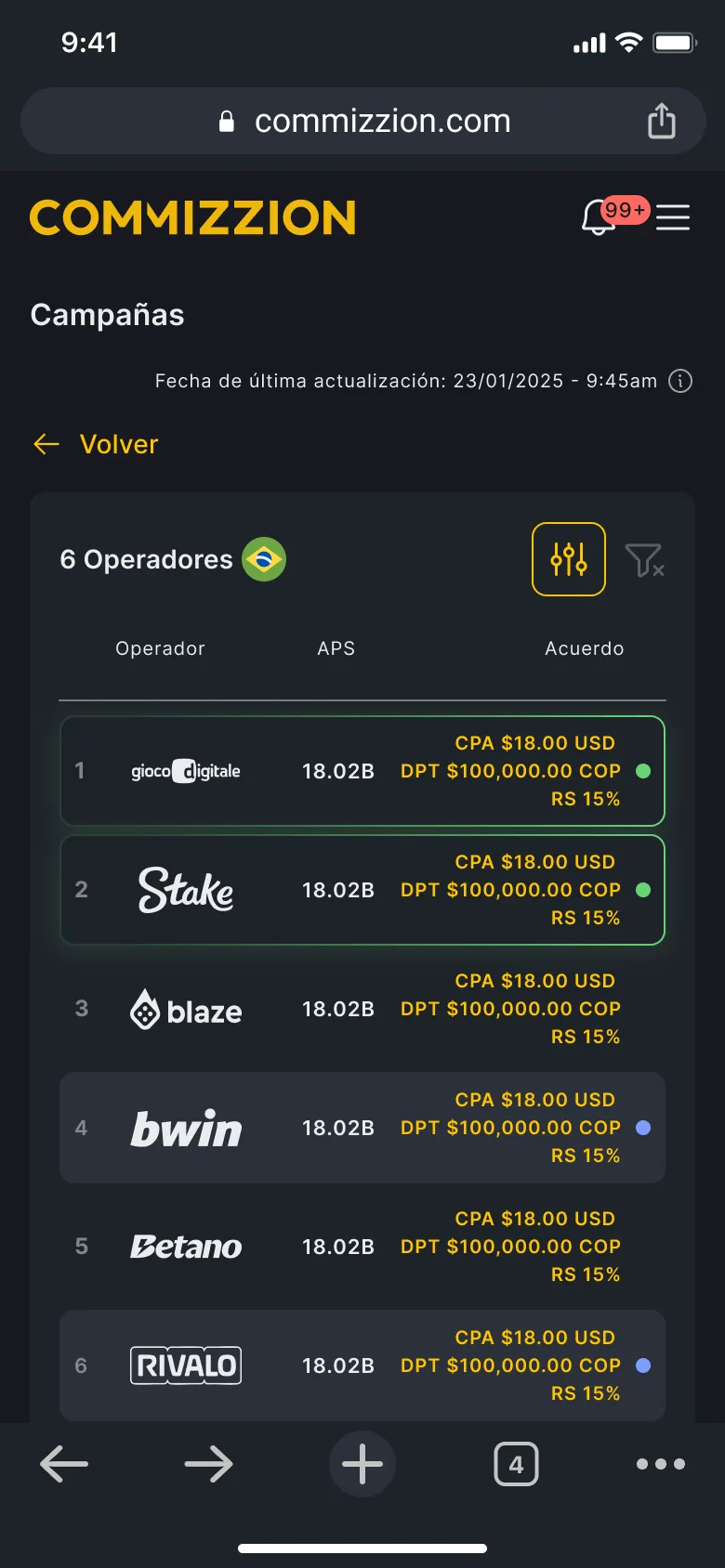
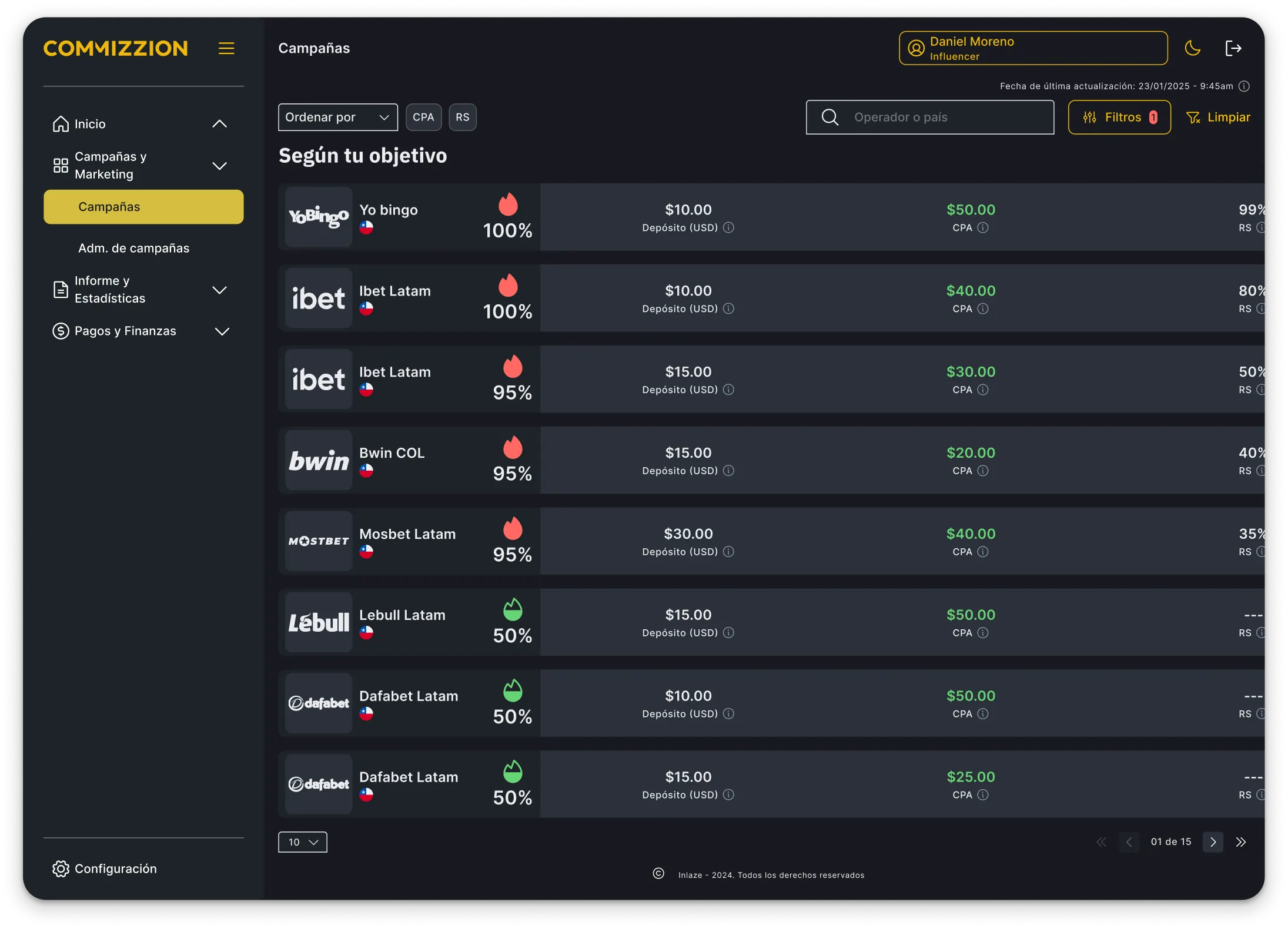
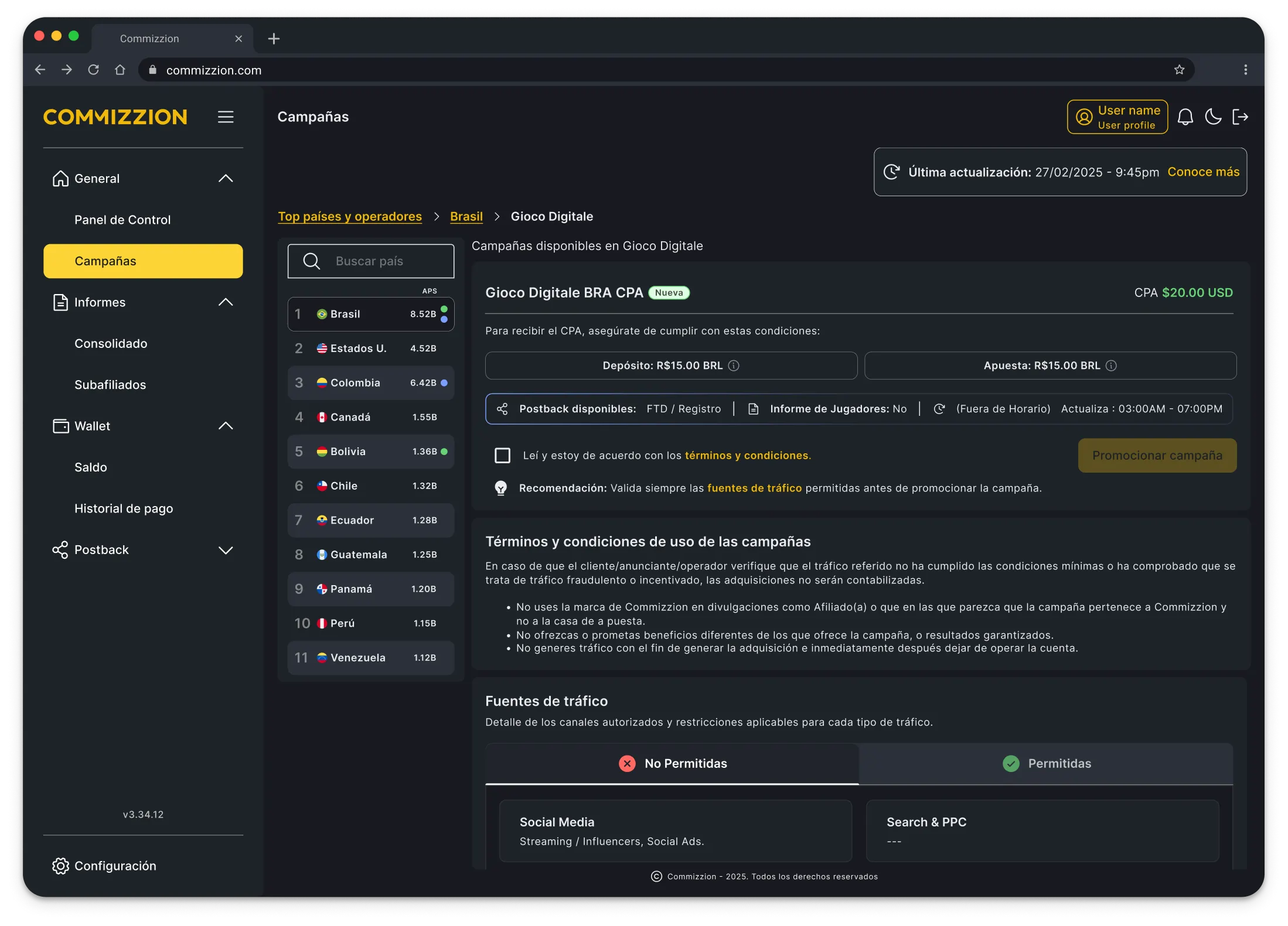
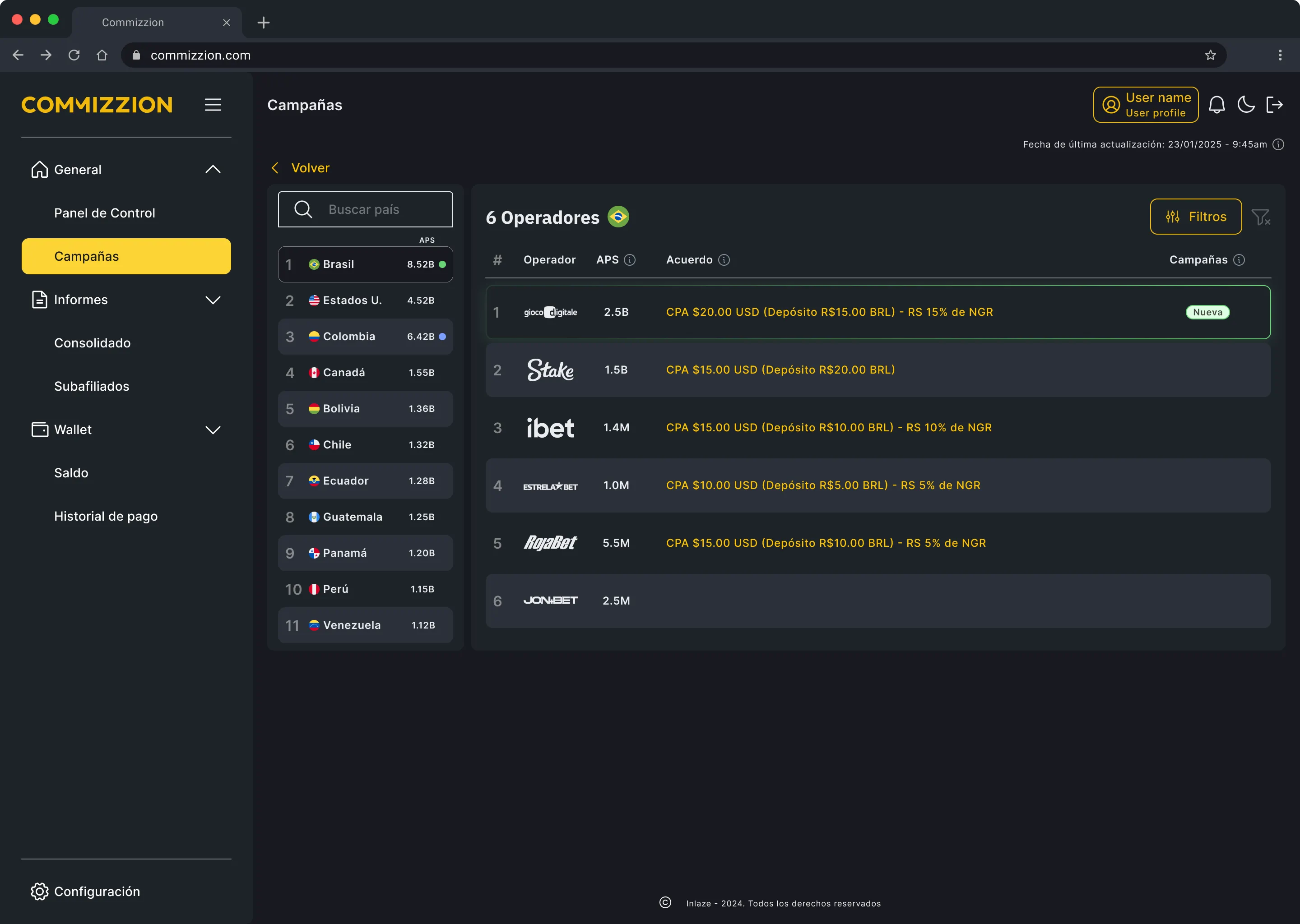
Account.commizzion.com was originally built exclusively for desktop, with high information density and a flat visual hierarchy that prioritized system logic over user needs. The redesign expanded one touchpoint into three — Account, Hub, and the marketing website — each rebuilt to work seamlessly across desktop and mobile, removing a structural barrier to adoption for affiliates without consistent desktop access.



Data-driven iteration
We moved beyond assumptions by implementing a dual-research strategy. Usability testing, Microsoft Clarity behavioral analysis, and direct affiliate interviews uncovered the qualitative "why" behind affiliate behavior — informing several rounds of iteration on core features like campaign management.
Design systems compound
A design system's value compounds over time — each new product surface built on the CM foundation shipped faster, with greater consistency, and with less rework. What starts as a design decision becomes a business asset.
Friction reduction enables expansion
Reducing onboarding friction by 80% didn't just improve the user experience — it made the platform accessible to a broader affiliate base, directly supporting commercial expansion into new markets and strategic partnerships.
Iteration is a competitive advantage
Sustained product iteration, grounded in real user data, turns a redesign into a long-term competitive advantage. Each improvement cycle increased affiliate engagement and retention — compounding the platform's value over time.